August 8, 2026
Why Detailing Your Car Is Important: 7 Reasons That Go Beyond Looks
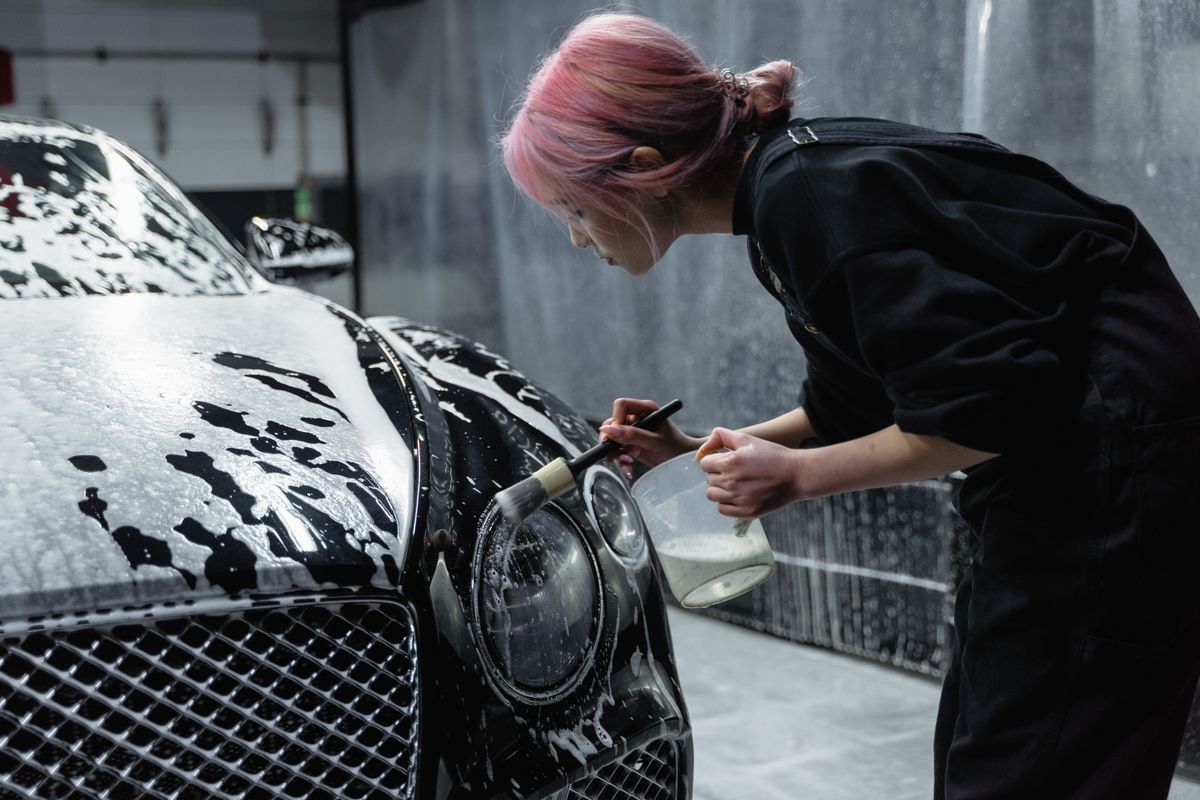
Detailing your car is important because it protects your paint from permanent UV and contaminant damage, preserves your interior materials, maintains resale value, and even supports your health by removing allergens and bacteria from the cabin. A clean car is the visible result — but protection is the real product.
I want to walk through the reasons that actually matter, because "your car will look nice" undersells what detailing does. Here are the seven that hold up.
1. Detailing Protects Your Paint From Permanent Damage
Your car's clear coat is under constant attack: UV radiation, bird droppings, tree sap, bug splatter, road tar, industrial fallout, and acid rain. None of these politely wait for your next wash. Bird droppings can etch into clear coat within hours on a hot day. UV exposure slowly oxidizes unprotected paint until it turns chalky and dull — and oxidation is not reversible with a wash.
Detailing addresses this two ways. First, it removes bonded contaminants with clay bar treatment before they eat deeper. Second, it applies a sacrificial protective layer — wax, sealant, or ceramic coating — so the next round of assaults hits the protection instead of the paint. Repainting a car costs thousands; protecting the paint costs a fraction of that per year.
2. It Preserves Your Interior Before Wear Becomes Damage
Interior materials fail gradually, then suddenly. Leather that never gets conditioned dries out and cracks. Dirt ground into carpet fibers acts like sandpaper every time you shift your feet. Dust and UV exposure fade and crack dashboards over years of sunny parking.
Regular interior detailing — vacuuming, extraction, conditioning, UV protectant — resets this clock. It's the difference between a ten-year-old car with a tired interior and a ten-year-old car that surprises passengers when you tell them its age. Once leather cracks or a dash fades, you're into replacement territory, and interior repairs are among the least cost-effective fixes in car ownership.
3. It Directly Protects Your Resale Value
Condition drives price in every used-car transaction. A well-detailed car photographs better in listings, generates more inquiries, and gives buyers fewer negotiation angles. Buyers and appraisers alike read cleanliness as a proxy for overall care — a spotless engine bay and stain-free carpet suggest oil changes happened on time too.
The practical effect: regularly detailed cars routinely command hundreds to over a thousand dollars more at sale time than neglected equivalents, and they sell faster. If you only detail your car once in its life, do it the week you photograph it for sale.
4. It Removes Allergens, Bacteria, and Odors You've Stopped Noticing
Your car's cabin collects pollen, dust mites, mold spores, food bacteria, and pet dander — and because you're in it daily, you go nose-blind to all of it. Steam cleaning and extraction pull these out of fabric and carpet rather than pushing them around the way quick wipe-downs do.
This matters most for allergy sufferers, families with young kids eating in the car, and anyone who commutes long hours. You spend hundreds of hours a year in that enclosed space. Its air quality is worth the same attention you'd give a bedroom.
5. It Maintains Safety Basics People Forget About
A few genuinely safety-relevant items live inside a detail:
- Glass clarity. Interior window film (off-gassed plastics create that haze) causes glare at night. Detailed glass restores full visibility.
- Headlight restoration. Oxidized, yellowed headlights can cut your night-time light output dramatically. Restoration brings it back.
- Mirror and camera cleanliness. Backup cameras and sensors caked in road grime don't work as designed.
None of these are dramatic, but all of them are the kind of small degradation you don't notice until it's fixed.
6. It Catches Small Problems While They're Still Small
A detailer spends hours inches from every surface of your car. They find the paint chip before it rusts, the tear in a seat seam before it spreads, the water intrusion in the trunk before it molds. I think of a good detail as a physical exam for your car — the checkup is where problems get caught early and cheap.
7. It Changes How You Treat the Car
This one's psychological but real. People maintain what they're proud of. A freshly detailed car gets parked more carefully, gets trash removed daily, and gets washed on schedule. A grimy car invites more grime — nobody feels bad adding a coffee cup to a floor that already has three. Detailing resets the standard, and the standard tends to stick.
How Often Does Detailing Need to Happen to Matter?
You get most of these benefits with a modest schedule:
- Full detail: twice a year (spring and fall are ideal)
- Interior deep clean: every 4–6 months with kids or pets
- Wax or sealant refresh: every 3–6 months depending on product
- Regular washes in between: every two weeks
Consistency beats intensity. Two details a year for five years beats one heroic restoration detail after five years of neglect — because some damage, once done, doesn't reverse.
FAQ: Quick Answers
Why is car detailing important if I wash my car regularly? Washing removes loose dirt; detailing removes bonded contaminants, protects the paint, and deep-cleans the interior. Washing maintains the surface — detailing protects what's underneath it.
Does detailing really extend the life of a car? It extends the life of the car's materials — paint, leather, carpet, trim, and headlights all last significantly longer with regular care, which keeps the car both nicer to own and more valuable.
Is detailing important for leased cars? Very. Lease-return wear charges for stained seats, scratched paint, and damaged trim often exceed the cost of the detailing that would have prevented them.
Is interior or exterior detailing more important? Exterior protection prevents the most expensive damage (paint), but interior detailing affects your daily experience and health most. If you must choose, alternate them.
The Bottom Line
Detailing your car is important because cars degrade by default — sun, contaminants, and daily use are working on your vehicle every day whether you respond or not. Detailing is the response. It protects your paint, preserves your interior, defends your resale value, and keeps the space you sit in every day genuinely clean. Browse our directory to find a detailer near you and put your car on a schedule its future self will thank you for.