August 4, 2026
Ceramic Coating vs. Wax: What's Right for Your Car?
Ceramic coating is the most upsold service in detailing, and wax is the most underrated. Both protect paint; they differ wildly in cost, longevity, and what they demand from you. Here's the honest comparison.
What each one actually is
Wax (carnauba or synthetic sealant) is a sacrificial layer you apply in an afternoon. It gives paint depth and gloss, beads water, and shields against UV and light contamination for roughly 1–4 months before it wears away.
Ceramic coating is a liquid polymer (usually SiO2-based) that chemically bonds to your clear coat and cures hard. Professionally applied, it lasts 2–5+ years, resists chemicals and UV far better than wax, and makes washing dramatically easier because grime struggles to stick.
The part the marketing leaves out
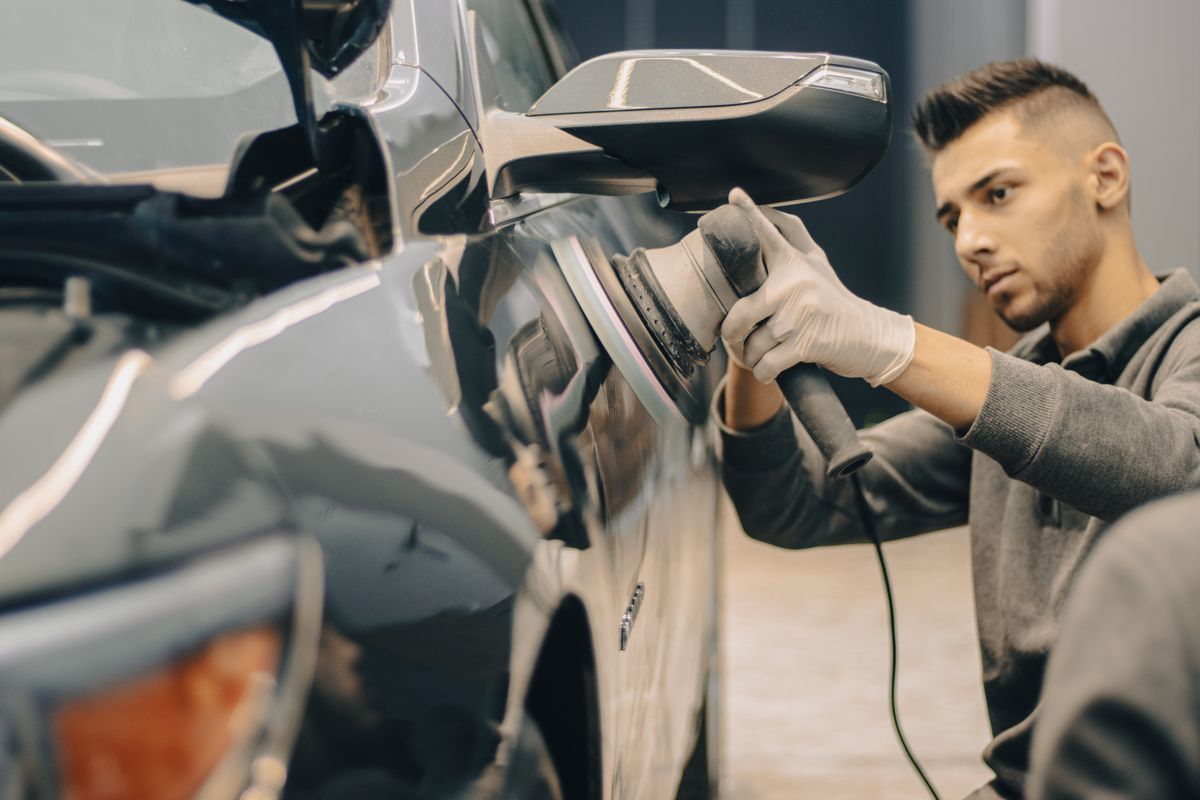
A ceramic coating locks in whatever is underneath it. That's why professional application costs what it does — the price is mostly prep: decontaminating the paint and polishing out swirls before coating. Coating over swirled, contaminated paint just preserves the damage under glass.
Two other honest caveats:
- Coatings are not scratch-proof. They resist wash-induced micro-marring, but rocks, keys, and automatic car washes with dirty brushes will still leave marks.
- Coatings still need washing. "Never wax again" is true; "never wash again" is not. A coated car that's never washed still ends up filthy — it just rinses cleaner.
Cost comparison over five years
- Wax route: DIY wax 3–4 times a year costs almost nothing but your time; paying a detailer for a wax with each seasonal detail might add $50–$100 per visit.
- Ceramic route: roughly $800–$2,500 up front for prep plus coating, then normal washes. Over five years the totals often converge — you're mostly choosing when you pay and how much effort you spend.
Who should choose what
Wax or sealant makes sense if you enjoy working on your own car, you lease or plan to sell within a couple of years, or the car is a daily driver whose finish you're realistic about.
A professional ceramic coating makes sense if you're keeping the car for years, you want minimal-effort maintenance with maximum gloss, or you have a new vehicle whose paint is still flawless — coating new paint costs less because there's little correction to do.
Skip both and just wash regularly if the car is older with worn paint; put the money toward a paint correction first, or accept the patina.
Finding a qualified installer
Coating quality is mostly installer skill. Look for businesses that describe their prep process, and weigh review counts heavily — browse your city's page in our directory and compare the operators offering ceramic coating. Many listings mention coatings directly in their descriptions, and your city page shows every detailer near you with ratings and review counts to compare.